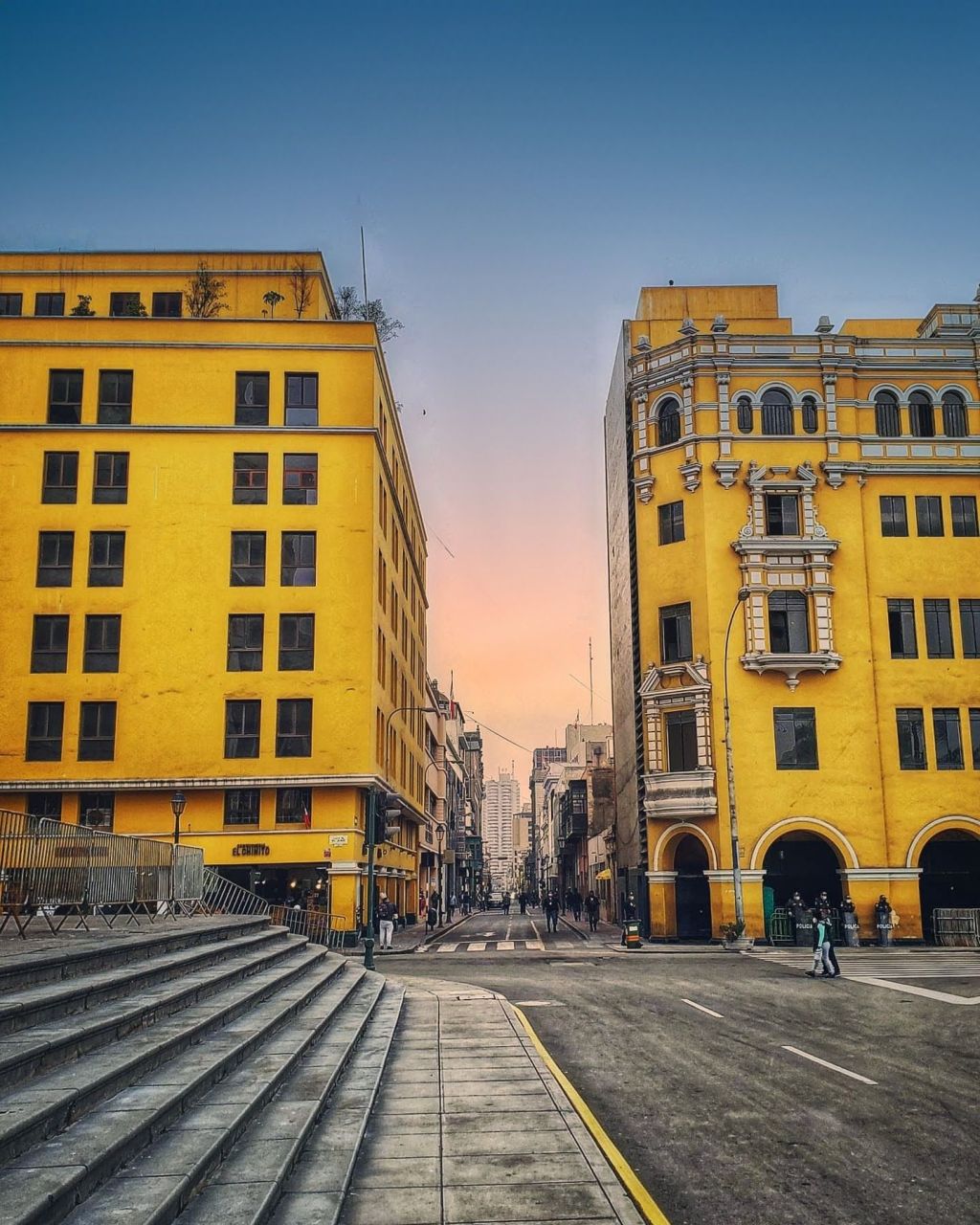
Moving to Peru can feel like an exciting new chapter. The idea of a different lifestyle, a lower cost of living, and a new culture draws a lot of people in. But once you actually arrive and start building a life here, you realize there are a lot of things no one really explains ahead of time.
Some of these things are great. Others can be frustrating. Most are just part of adjusting to a completely different system.
This is what it’s really like to live in Peru beyond the highlights.
Life in Lima is not the same as the rest of Peru
The majority of foreign visitors wind up in Lima, but it’s important to understand that Lima does not represent the whole nation.
Lima is dense, bustling, and heavily urbanized. If you’re from a big city, its contemporary neighborhoods, international dining options, and way of life may seem somewhat similar.
However, things change rapidly outside of Lima. Cities might be more conventional, quieter, and perhaps more reasonably priced. Depending on where you live, infrastructure, access to healthcare, and employment possibilities can also differ substantially.
If you plan to live outside Lima, expect a bigger cultural adjustment and fewer conveniences. At the same time, you may find a slower pace of life and a stronger sense of community.
The cost of living depends on how you choose to live
One of the biggest reasons people move to Peru is the cost of living. And it’s true that you can live for less here, but that depends heavily on your lifestyle.
If you shop at local markets, eat traditional meals, and live in a more residential district, your expenses can stay relatively low.
If you prefer imported products, modern apartments, and eating out frequently in popular areas, your costs can rise quickly.
Living in more local communities will feel significantly different financially than living in districts like San Isidro or Miraflores. Depending on where they live and how they spend their money, two people may have entirely different monthly budgets.
Food is a major part of daily life
Food is one of the best parts of living in Peru. You’ll find fresh ingredients, affordable meals, and a huge variety of dishes.
Daily menus are inexpensive and widely available and provide generous portions, making it easy to eat out regularly without spending a lot.
At the same time, if you’re used to certain foods from home, you may notice that imported products are more expensive or harder to find. Over time, many people adjust their diet to what is locally available.
Eating becomes less about convenience and more about adapting to what’s around you.
Transportation can be unpredictable
Public transportation is something you learn by doing
One of the biggest adjustments for many foreigners is learning how transportation actually works beyond apps and taxis. In Lima, public transportation is everywhere, but it’s not always easy to understand at first.
You’ll see buses, combis, and colectivos running constantly, often without clear schedules or marked stops. Combis are smaller vans that follow specific routes, but they don’t always stop at designated stations. Instead, they pick people up and drop them off along the route, sometimes just by signaling from the street. Another thing that catches people off guard is how combis drive. They tend to move fast, stop suddenly, and weave through traffic in ways that can feel chaotic if you’re not used to it. Drivers are often trying to pick up as many passengers as possible, so they may stop anywhere, accelerate quickly, and compete with other vehicles on the road.
The Metropolitano, a special bus route that travels through the city on its own lanes, is another vital part of the system. With established stations and routes that are simpler to comprehend than conventional buses or combis, it’s one of Lima’s more structured and dependable public transportation options. Because it avoids some of the gridlock, the Metropolitano can be a quicker choice and is reasonably priced. Like the metro, it may get very busy during rush hour, and not every district has access to it.
Colectivos are shared cars or vans that follow a fixed route and fill up with passengers before leaving. They can be faster than buses, but they’re less predictable if you’re not familiar with how they operate. I don’t recommend using these alone for safety reasons as you never know who you’re in the car with and people have reported being robbed or worse.
For those who prefer something more structured, ride apps are widely available and commonly used. Services like Uber, inDriver, and Cabify operate throughout Lima and are often the easiest option for getting around, especially when you’re still learning the city. Cabify is usually the most expensive but tends to be more consistent in terms of service. InDriver works differently by allowing you to negotiate the price with drivers, which can sometimes save money, but requires a bit more effort. Uber falls somewhere in the middle and is one of the most commonly used options by both locals and foreigners. I recommending having a card set up in the app for payment to avoid the driver trying to ask for more money when paying with cash.
Lima also has a metro train system, but it’s more limited than many people expect. The Lima Metro currently operates mainly through Line 1, which runs through several districts and is one of the fastest ways to avoid traffic. It’s clean, affordable, and reliable compared to other forms of transportation. However, it doesn’t cover large parts of the city, especially areas like Miraflores or Barranco, which many foreigners live in.
At first, transportation can feel chaotic. Routes aren’t always posted clearly, and you may not know where a vehicle is going unless you ask. It’s common to rely on others, watch what locals do, or simply learn through trial and error. Some bus lines also require you to have a specific card with money already loaded onto it.
Over time, many people get used to it and even prefer it because it’s inexpensive and widely available. But in the beginning, it can feel overwhelming, especially if you’re used to more structured transportation systems.
Safety depends on where you are
Safety is something you learn to navigate over time. Some areas of Lima feel very safe and comfortable, especially in districts that are popular with expats.
Other areas require more awareness and caution. It’s not about being afraid, but about understanding your surroundings and making smart decisions.
Simple habits like avoiding certain areas at night, not displaying valuables, keeping phones in pockets, and using trusted transportation can make a big difference.
I’ve heard that neighborhoods like Miraflores see more theft than other less touristic districts, which is due to tourists wandering around with phones and cameras in their hands. It’s better to go into a store or move away from the street if you need to check something on your phone. One way to lose your phone to a man on a motorcycle is to check Google Maps close to major intersections.
Daily life doesn’t always run on a schedule
One of the biggest adjustments is how things operate day-to-day. Schedules are more flexible, and things don’t always happen exactly when you expect them to.
You might experience delays with services, changes in plans, or businesses opening later than expected.
This also shows up in social life. Plans aren’t always as fixed as you might be used to. It’s common for people to arrive late, reschedule, or cancel last minute. Sometimes friends or family may show up without much notice, especially in more casual settings. What might feel disorganized at first is often just a more relaxed approach to time and planning.
If you’re used to strict schedules and planning everything in advance, this can be frustrating in the beginning. You might feel like your time isn’t being respected or that things are unpredictable.
Over time, many people start to adjust their expectations. You learn to confirm plans more than once, give a little extra time for everything, and not rely too heavily on exact timing. Eventually, this flexibility can even start to feel freeing, as daily life becomes less rigid and more adaptable.
Bureaucracy can test your patience
Whether it’s immigration, banking, or legal paperwork, processes can be slow and sometimes unclear.
It’s common to receive different answers depending on who you talk to. You may need to return multiple times to complete a process or provide additional documents that weren’t mentioned initially.
In many cases, there isn’t a clear step-by-step system to follow. Things can depend on the specific office, the person helping you, or even the day you go. You might be told one requirement one week and something different the next. This lack of consistency can make even simple tasks feel more complicated than they should be.
It’s also common for timelines to be unpredictable. Something that is supposed to take a few days can turn into weeks, and there is often no way to track progress clearly. Online systems may not update regularly, and getting answers over the phone can be difficult.
Because of this, you learn quickly to double check everything, keep copies of your documents, and ask the same question more than once just to be sure. Going in person is often more effective than trying to handle things online.
Patience becomes one of the most important things you can have when dealing with official systems.
Culture and lifestyle feel different in subtle ways
Life in Peru often feels more relationship focused than what many people are used to. Family and social connections play a central role in daily life, and it’s common to see people prioritizing time together over strict schedules or productivity. For some, this shift can feel refreshing and even comforting, especially if you’re coming from a fast paced environment. At the same time, it can take some adjustment. Expectations around time, communication, and commitment can be different, and you may find yourself learning to navigate social situations in a new way. Over time, many people begin to appreciate this slower, more connection-focused lifestyle, even if it feels unfamiliar at first.
What many people don’t expect is the emotional side of moving to a new country. Beyond the logistics and practical challenges, there’s a mental and emotional adjustment that takes time. There may be moments where you feel frustrated trying to navigate systems that don’t always make sense, or isolated when language and cultural differences make simple interactions more difficult. Even small daily tasks can feel overwhelming in the beginning, especially when everything is unfamiliar. At the same time, there are also moments that feel incredibly rewarding. You may find yourself more present, more connected to the people around you, and more aware of the life you’re building. Over time, these experiences tend to balance each other out, and what once felt difficult becomes part of your new normal.
It’s a mix, and that’s completely normal.
Living in Peru is not just about saving money or trying something new. It’s about adjusting to a different way of life.
Some things will feel easier. Others will feel harder. Over time, you find your rhythm and figure out what works for you.
If you come with realistic expectations and an open mindset, the experience can be incredibly rewarding. The key is understanding that life here is different, and that difference is exactly what shapes the experience.
Dining Out: Adjust Your Expectations
Eating out in Peru is amazing, but there are a few surprises if you’re coming from the U.S.
First, free refills are not a thing. That bottomless soda you’re used to? Gone. If you want another drink, you’re ordering (and paying for) another one. And water? It’s usually bottled, not free, so don’t expect a server to keep topping off your glass.
Tipping is also a bit different. It’s appreciated, but not as automatic or as high pressure as in the U.S. Sometimes a service charge is already included, sometimes it’s not, and no one’s chasing you down over a few coins.
And then there’s the biggest adjustment: restaurants generally don’t do send backs or refunds the same way. If you ordered it, it’s yours. Unless something is seriously wrong, sending food back can feel awkward and isn’t very common.
Oh, and one last thing..
Let’s talk about something no one warns you about: bathrooms.
In Peru, using a public restroom can feel like a mini survival challenge. First, many places charge a small fee to enter. Yes, you may need coins just to unlock the privilege. Second, toilet paper is not guaranteed. If it exists, it might be handed to you in a rationed amount like it’s a rare resource. If it doesn’t… well, that’s why everyone learns to carry their own.
And then there’s the toilet seat situation. Sometimes you’ll get one. Sometimes you won’t. Sometimes you’ll wish you hadn’t checked.
The good news? Not all hope is lost. Nicer malls and upscale spots usually have clean bathrooms, actual seats, and unlimited toilet paper.
Keep tissues and small coins with you at all times. In Peru, that’s just part of being prepared.
 Peru Life Project
Leave a comment