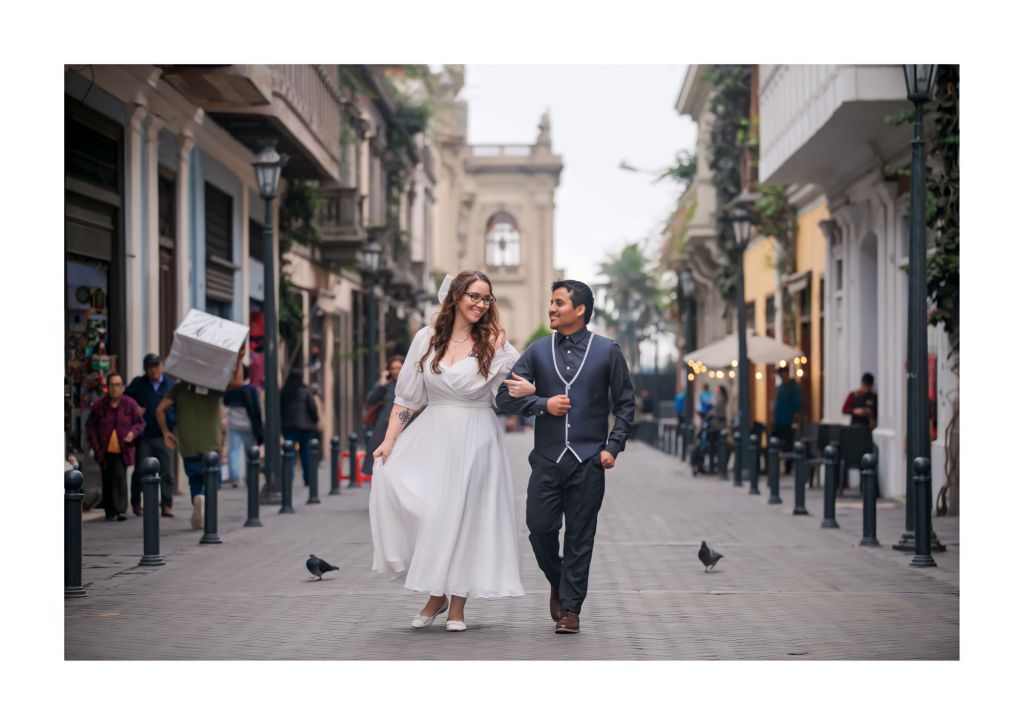
Choosing an immigration path is one of the most important choices you will have to make when you arrive in Peru if you intend to stay there permanently. The marriage visa and the family visa are two common choices for this. Although they can initially seem similar, their requirements, processing, and long-term stability are very different.
Understanding which one is better depends on your personal situation, your timeline, and how much risk you’re willing to take with the immigration process.
This guide will break down both options in a clear and realistic way based on what people actually experience during the process.
What is the marriage visa in Peru
Foreigners who are legally married to a Peruvian national are eligible for the marriage visa. Although it has stringent documentation requirements, this is one of the easiest residence options available.
You must be legally married in Peru in order to apply. Before beginning the process, your marriage certificate must be registered with Peruvian authorities if you were married outside of the country.
A passport, proof of lawful immigration into Peru, a Peruvian marriage certificate, and background checks from your home country are typical prerequisites. Depending on their circumstances, specific applicants might also be required to provide extra documentation.
Making sure that your documents are properly legalized, apostilled, and translated if needed is one of the most crucial steps in this process. Small errors in paperwork lead to a lot of delays.
What is the family visa in Peru
A direct familial relationship to a Peruvian citizen generally serves as the basis for the family visa. Having a Peruvian child is the most common situation.
Because it doesn’t require marriage, this option is very common among parents. You can petition for residency based on your relationship with a Peruvian child.
In general, you will need your passport, your child’s Peruvian birth certificate, and documentation proving your parental status. Additional paperwork can sometimes be needed, especially if the birth was recently registered or includes international documents.
This visa is often seen as more flexible, especially for people who are not married but have strong family ties in Peru.
Key differences between the marriage visa and family visa
The basis of your residency is the largest difference. Your legal relationship with your spouse is the only factor influencing the marriage visa. In contrast, your relationship with your child is the basis for the family visa.
This means that each visa may feel different in terms of stability. Your status is linked to your marriage when you have a marriage visa. Your residency may be impacted if something changes in that relationship.
A family visa is typically regarded as more permanent, particularly when it is based on a child. In the long run, this might give people a sense of security.
Additionally, processing timeframes can differ. The Superintendencia Nacional de Migraciones handles both kinds of applications, and they can both be time-consuming. Applications frequently remain “en proceso” for weeks or even months.
How each application is evaluated varies as well. In order to verify that the connection is sincere, marriage visas can require additional inspection. Although family visas based on children tend to be easier to obtain, they are not always quick.
Which visa is easier to get
In many real-life cases, the family visa is seen as easier, especially when applying as a parent of a Peruvian child. The documentation tends to be simpler, and there are fewer questions about the legitimacy of the relationship.
Marriage visas can still be straightforward, but they often require more preparation. If your documents are not perfectly in order, you may face delays.
That said, neither option is guaranteed. Both processes depend heavily on having complete and correct documentation.
Which visa is better long term
For long term stability, many people prefer the family visa if they qualify for it. Having a Peruvian child creates a strong legal connection that is less likely to change over time.
The marriage visa can still be a great option, especially for couples who are already legally married and have their documents ready. However, it does depend on maintaining that marital relationship.
Both visas can eventually lead to obtaining a carnet de extranjería, which allows you to live and work legally in Peru.
Common mistakes people make
One of the most common mistakes is not checking document requirements carefully. Expired documents, missing apostilles, or incorrect translations can delay your process significantly.
Another issue is assuming the process will be fast. Even when everything is submitted correctly, delays are common.
Many people also misunderstand their application status. Seeing “en proceso” does not mean something is wrong. It usually just means your case is still being reviewed.
It’s also important to make sure your civil documents are properly registered in Peru. This applies to both marriage certificates and birth certificates.
 Peru Life Project
Leave a comment