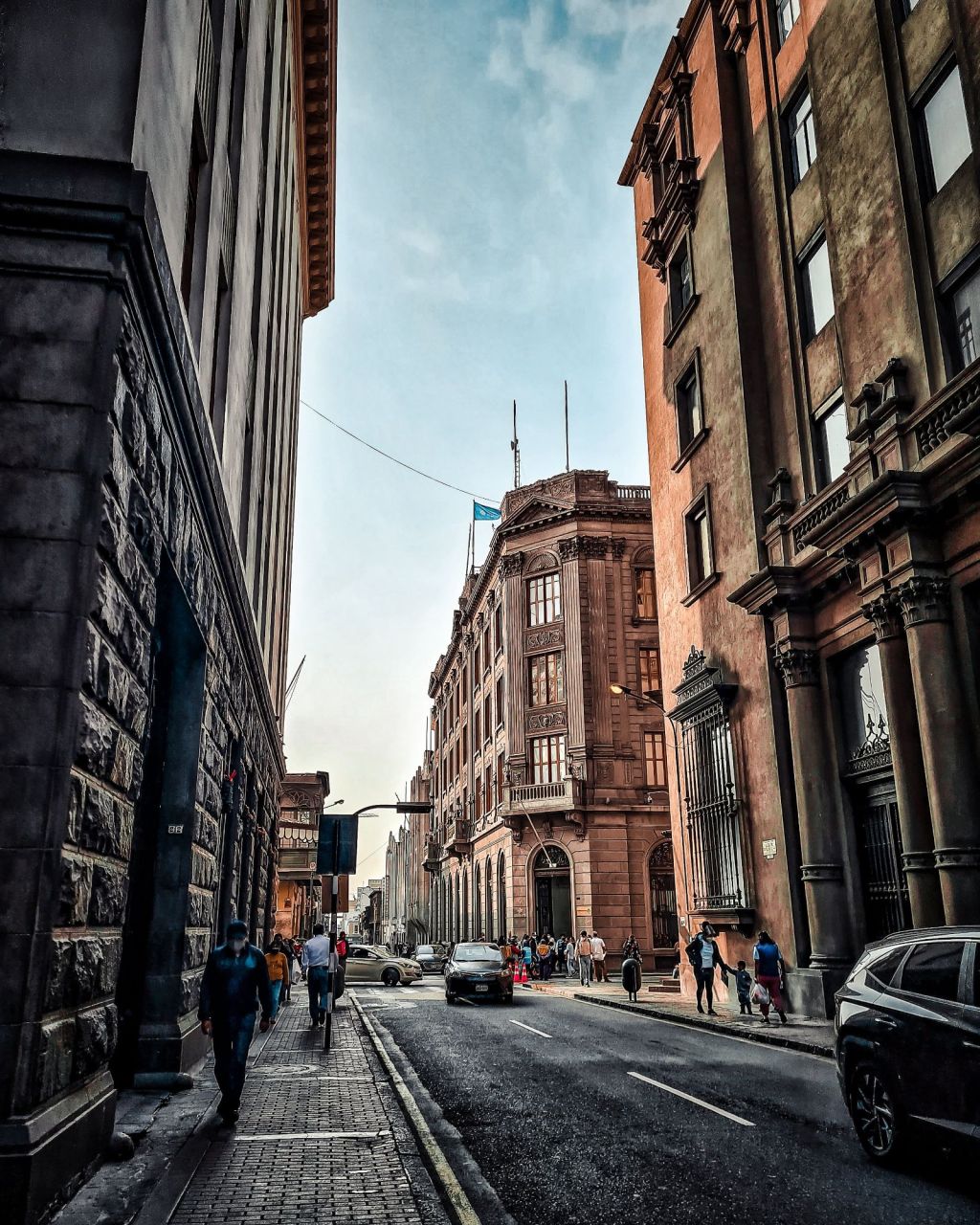
One of your first concerns if you’re considering relocating to Lima is undoubtedly how much it actually costs to live here. There is no one-size-fits-all solution. Your monthly expenses will vary greatly depending on your neighborhood, habits, and way of living.
From a modest budget to a more comfortable or even luxurious lifestyle, this post explains what you could expect to be spending while living in Lima.
What is the average salary in Lima
Currently, the minimum wage in Peru is about 1,025 soles a month, or about $270 USD. Even while a large number of residents do survive on this, it may be rather challenging, particularly in Lima where expenses are higher than in other regions of the nation.
A more realistic minimum monthly salary to live modestly would be between 800 and 1,200 USD for a foreigner or anyone accustomed to a more comfortable living. 1,500 to 2,500 USD is more reasonable for a comfortable lifestyle. You should budget at least $3,000 USD for a lifestyle that is more luxurious.
Housing costs in Lima
Rent will be your biggest expense, and it varies a lot depending on the district.
In more affordable areas like Callao, San Miguel, or Surco, you might find:
a small apartment or room for 250 to 400 USD.
In mid-range districts like Jesus Maria, San Borja or Chorrillos:
500 to 900 USD for a nicer apartment.
In more upscale areas like Miraflores, Barranco, or San Isidro:
900 to 2,000+ USD depending on size, building, and amenities.
If you want a modern apartment with security, elevator, and good location, expect to be on the higher end.
Costs by district in Lima
Your monthly expenses will be most impacted by where you live in Lima. Without making many additional adjustments, two persons who live in separate districts can easily have a lifestyle difference of $1,000 or more.
Each district of Lima offers a significantly distinct experience in terms of cost, walkability, and safety.
The most sought-after neighborhoods for foreigners are higher-end areas like Barranco, San Isidro, and Miraflores. These neighborhoods are renowned for being more pedestrian-friendly, safer, and packed with restaurants, cafes, and nightlife.
These areas have the highest rent in the entire city. Depending on the building and location, luxury flats might cost significantly more than the average 900–1,300 USD for a two-bedroom apartment.
Because they have vistas of the ocean, better infrastructure, and a lifestyle that many foreigners find more familiar, these locations are more expensive. But daily expenses also go up here. Groceries, restaurants, and even gyms can be more costly, particularly if you frequently eat out or purchase foreign goods.
Affordability and quality of life are well-balanced in mid-range neighborhoods including Jesús María, Lince, Magdalena del Mar, Pueblo Libre, and San Miguel.
Rent here is more reasonable:
- 1-bedroom apartments: 350 to 600 USD
- 2-bedroom apartments: 600 to 900 USD
These areas are more residential and give you a more local experience. You’ll find lower grocery costs, local markets, and less tourist pricing. They are still relatively central and a good option if you want to save money without sacrificing too much comfort.
More affordable districts like Los Olivos, San Martín de Porres, parts of Callao, and Ate are significantly cheaper.
Rent in these areas can look like:
- small apartments: 200 to 400 USD
- shared housing: even less
These districts can lower your overall cost of living a lot, but they come with trade-offs such as longer commute times, fewer amenities, and safety concerns in certain areas. They are usually not the first choice for expats but can work for those on a tighter budget.
How your district affects your total cost of living
Rent is not the only thing that goes up when you live in an upscale area. Additionally, it increases your daily expenses. You’re more inclined to use delivery services, eat out, and spend money on convenience and entertainment.
Daily living is typically less expensive in more localized areas. There are less chances for impulsive purchases, services are more reasonably priced, and groceries are less expensive.
This explains why your location in Lima has a significant impact on your monthly spending plan.
Food and groceries
Groceries in Lima can be affordable if you shop at local markets. Fresh fruits, vegetables, and basic staples are relatively cheap.
Monthly grocery estimates:
- modest lifestyle: 150 to 250 USD
- comfortable lifestyle: 250 to 400 USD
- luxury lifestyle: 400 to 600 USD or more
Eating out is very common in Lima. A basic lunch menu can cost around 3 to 5 USD, while mid-range restaurants are around 10 to 25 USD per person.
Utilities and bills
Utilities are generally lower than in the U.S., but they still add up.
Typical monthly costs:
- electricity: 20 to 50 USD
- water: 10 to 25 USD
- internet: 25 to 40 USD
- mobile plan: 10 to 20 USD
Transportation
Transportation is relatively affordable.
Monthly estimate:
- public transportation: 30 to 60 USD
- regular use of taxis or apps like Uber or InDriver: 80 to 150 USD
Living closer to work or central areas can significantly reduce this cost. Especially if you choose to walk or bike.
Entertainment and lifestyle
Your lifestyle will determine how much you spend here.
Monthly estimates:
- modest lifestyle: 50 to 100 USD
- moderate social life: 100 to 250 USD
- active lifestyle: 300 USD or more
Lima has a strong food scene and nightlife, so it’s easy to spend more if you go out often.
Healthcare and extras
Healthcare is affordable compared to the U.S.
Basic estimates:
- doctor visit: 20 to 50 USD
- private insurance: 50 to 150 USD per month
Other extras:
- gym membership: 30 to 70 USD
- household help: 100 to 300 USD
Total monthly cost breakdown
Modest lifestyle:
- 800 to 1,200 USD
Comfortable lifestyle:
- 1,500 to 2,500 USD
Luxury lifestyle:
- 3,000 USD and up
Is Lima affordable
Compared to many cities in the United States, Lima is still considered affordable, but prices have been rising, especially in popular districts.
Your experience depends on your lifestyle choices. You can live on a lower budget, but most expats prefer a more comfortable standard of living.
Living in Lima can be as affordable or expensive as you make it. Your biggest cost will be housing, and your district will shape your entire financial experience.
Planning ahead, choosing the right area, and understanding your spending habits will make a huge difference in how comfortable your life in Lima feels.
 Peru Life Project
Leave a comment